
What Your Bloodwork Really Tells You
Interpreting ApoB, fasting insulin, and high-sensitivity CRP beyond conventional reference ranges.
- 1Standard reference ranges reflect population averages, which increasingly represent a population with high baseline rates of metabolic dysfunction.
- 2Apolipoprotein B (ApoB) provides a more accurate assessment of cardiovascular atherogenicity than standard low-density lipoprotein cholesterol (LDL-C).
- 3Fasting insulin elevations regularly precede elevations in fasting blood glucose and HbA1c by 5 to 10 years.
- 4High-sensitivity C-reactive protein (hs-CRP) under 1.0 mg/L confirms basal systemic endothelial stability, while values between 1.0 and 3.0 denote moderate vascular inflammation.
The Flaw of Population Reference Intervals
When a laboratory prints a blood panel, the reference interval alongside each biomarker represents the 95 percent confidence interval of the reference population tested by that laboratory platform. In a society where over 70 percent of adults are classified as overweight or metabolically impaired, the statistical average is not a biological ideal.
A fasting blood glucose of 98 mg/dL or an HbA1c of 5.6 percent falls within the normal laboratory range, yet both indicate established insulin resistance and pancreatic beta-cell strain. To identify risk early, diagnostics must evaluate physiological thresholds tied directly to long-term outcome data rather than cohort means.
Apolipoprotein B versus Standard LDL-C
For nearly half a century, cardiovascular risk assessment has relied on calculated LDL cholesterol (LDL-C). LDL-C measures the mass of cholesterol carried inside LDL particles, not the actual number of particles circulating through the vasculature.
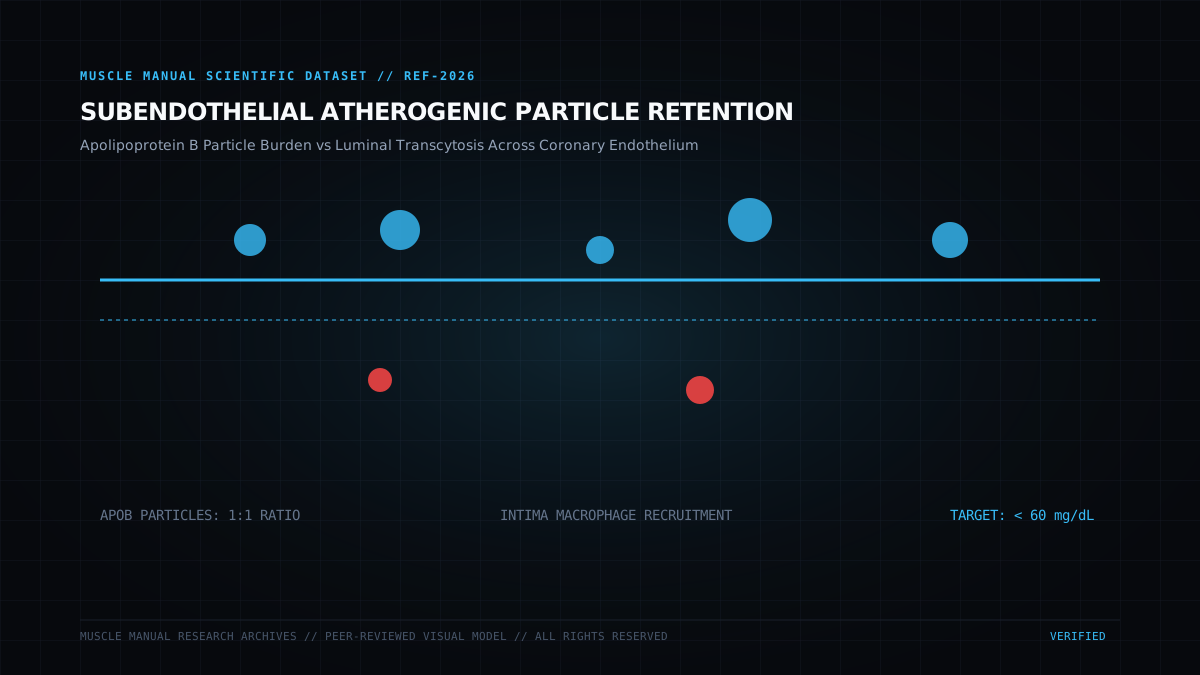
Atherosclerosis is driven by particle number, not cholesterol content. Every atherogenic lipoprotein particle (including LDL, VLDL, IDL, and Lp(a)) carries exactly one molecule of Apolipoprotein B on its surface. When blood enters coronary and carotid arteries, individual particles penetrate the endothelial barrier and become trapped in the subendothelial space, where they oxidize and provoke macrophage infiltration.
Discordance between LDL-C and ApoB is common, especially in individuals with insulin resistance or elevated triglycerides. In these cases, particles become small and dense, meaning a patient may have a normal LDL-C of 100 mg/dL alongside a dangerously elevated ApoB of 120 mg/dL. Tracking ApoB directly eliminates this diagnostic blind spot.
Fasting Insulin: The Early Metabolic Sentinel
Insulin resistance is a progressive cellular defect where peripheral tissues become resistant to insulin-mediated glucose uptake. For years or decades before fasting glucose levels cross into the diabetic threshold of 100 mg/dL, the pancreatic beta-cells compensate by hypersecreting insulin.
A patient with a normal fasting glucose of 88 mg/dL might require 4 microIU/mL of insulin to maintain that glucose level, while another requires 22 microIU/mL. The second patient has profound hyperinsulinemia and early metabolic syndrome, yet a standard lipid and glucose panel will classify them as completely healthy.
Calculating the Homeostatic Model Assessment of Insulin Resistance (HOMA-IR) using fasting glucose and fasting insulin provides an objective measure of sensitivity. Target fasting insulin should ideally remain under 6 microIU/mL in healthy individuals.
Tracking Vascular Inflammation with hs-CRP
Atherosclerosis requires both an atherogenic particle (ApoB) and vascular inflammation. High-sensitivity C-reactive protein (hs-CRP) is an acute-phase reactant synthesized by the liver in response to interleukin-6 stimulation.
While standard CRP tests evaluate macro-infections or severe trauma, hs-CRP detects microvascular inflammatory tone. Baseline values under 0.8 mg/L indicate low vascular inflammatory risk. Levels between 1.0 and 3.0 mg/L indicate moderate systemic inflammation, often driven by visceral adiposity, chronic sleep deprivation, or periodontal disease.
Primary Research & Citations
3 Peer-Reviewed SourcesThis investigation was produced without commercial interference or brand sponsorship. Report factual corrections to [email protected].
Editorial charterRelated Investigations
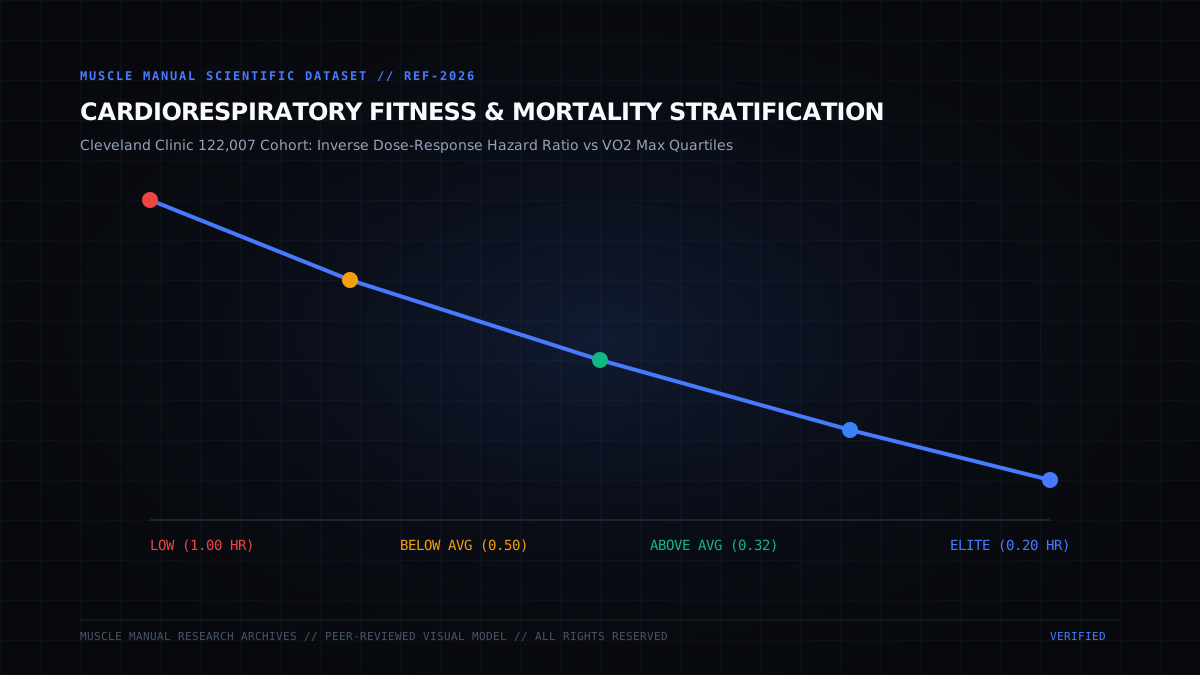
The Science of Living Longer
Modern longevity research points away from speculative pharmaceuticals and toward two measurable clinical markers: peak cardiorespiratory capacity and absolute skeletal muscle mass.
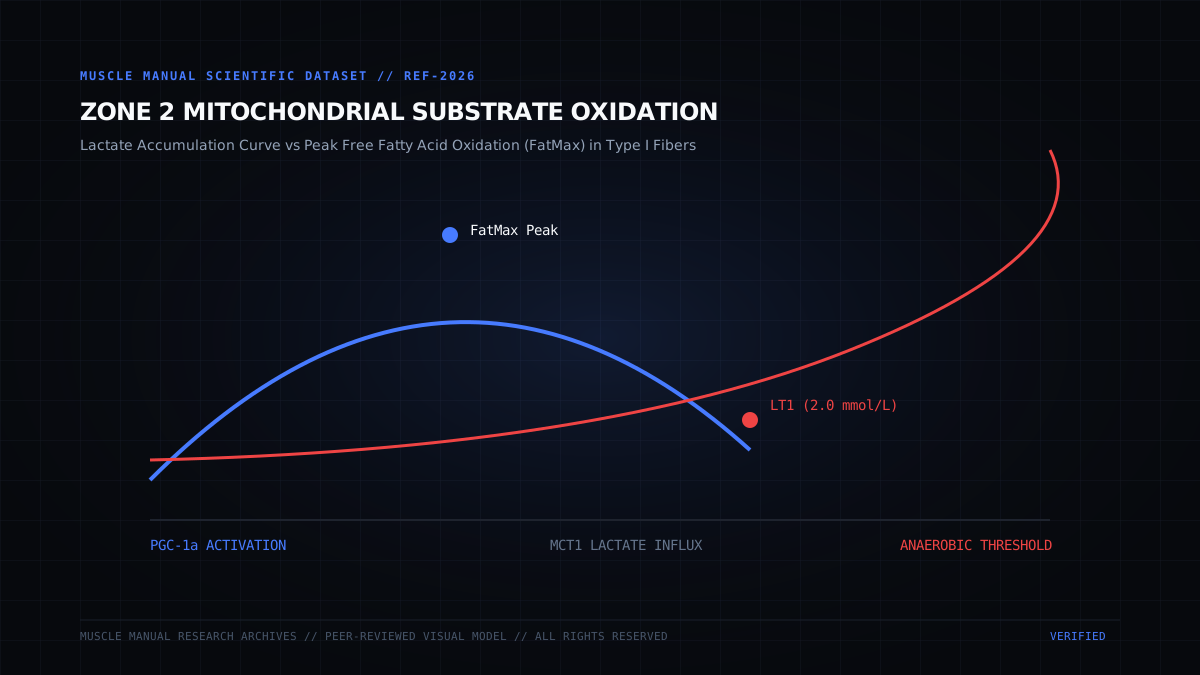
The Real Return on Cardio
Low-intensity aerobic work does not destroy muscle tissue or blunt hypertrophy. When applied correctly, it expands left ventricular stroke volume, multiplies capillary networks, and accelerates recovery between resistance training sets.
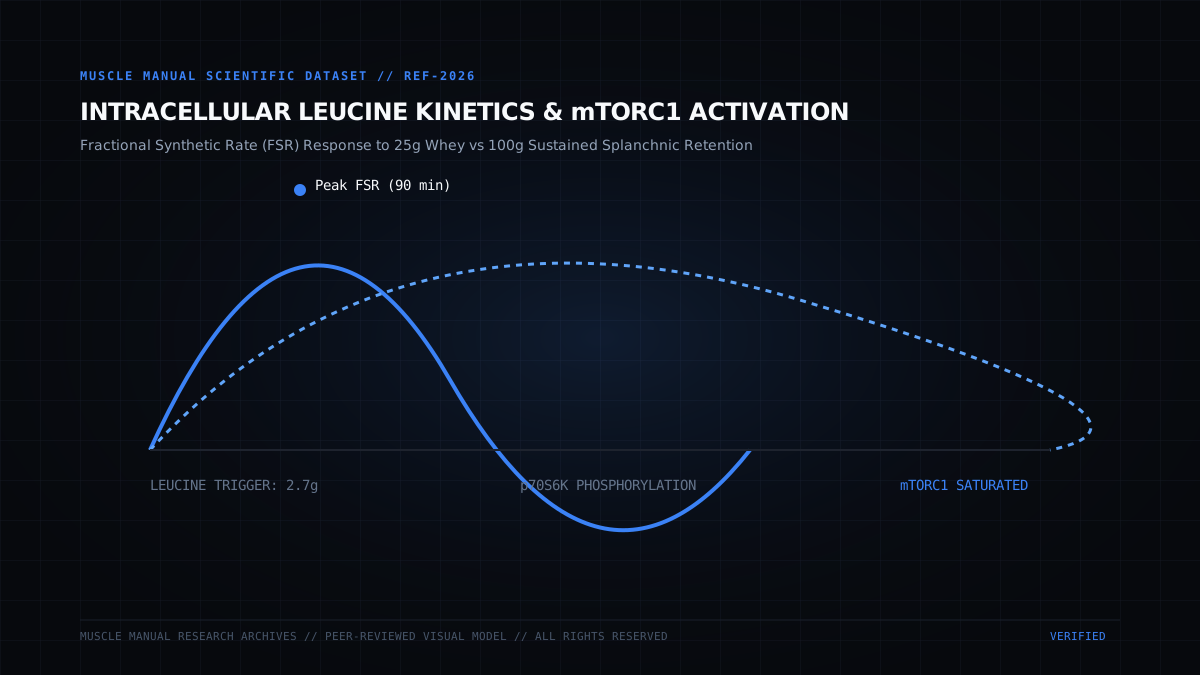
The Real Protein Question
The debate over total daily protein intake often ignores the biological kinetics of amino acid oxidation, per-meal leucine thresholds, and the difference between survival minimums and optimal tissue retention.