
The Real Protein Question
Distribution kinetics, muscle protein synthesis thresholds, and the upper limits of amino acid utilization.
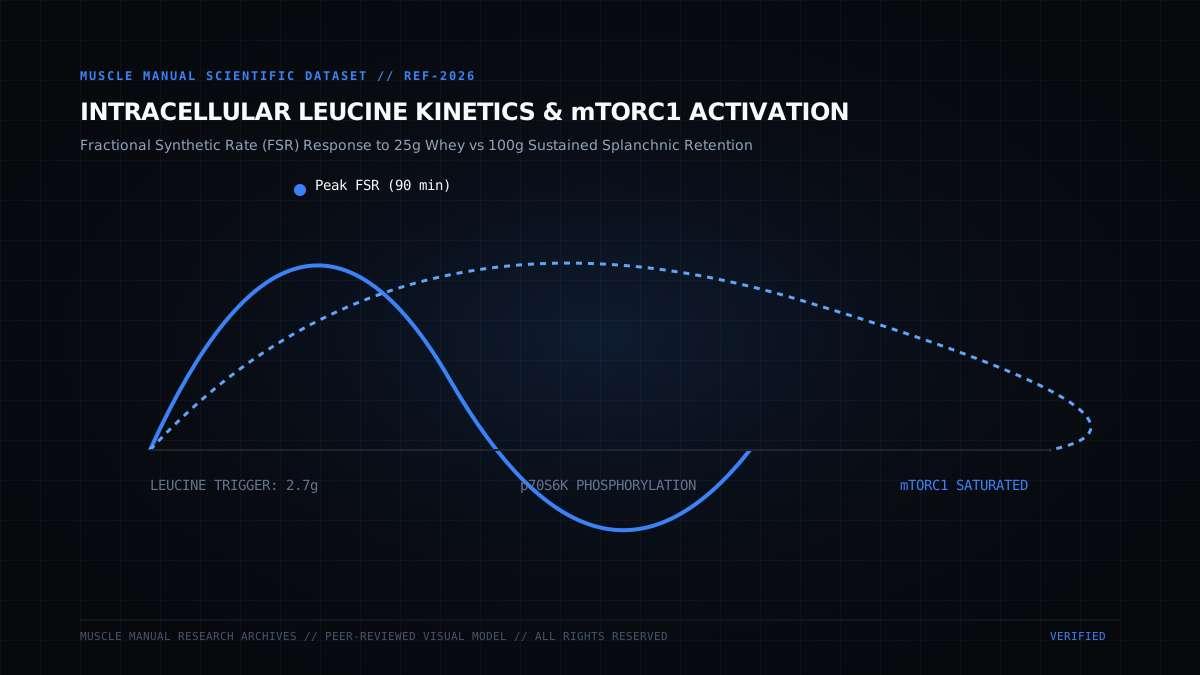
- 1The Recommended Dietary Allowance of 0.8 grams per kilogram represents the threshold to avoid deficiency, not an optimum for active populations or aging muscle tissue.
- 2A comprehensive meta-analysis of 49 randomized controlled trials established 1.62 grams per kilogram as the plateau where additional protein yields no further resistance-training hypertrophy.
- 3Each meal requires approximately 2.5 to 3.0 grams of leucine to saturate intracellular mTORC1 signalling, termed the leucine trigger.
- 4Older adults experience anabolic resistance, requiring 35 to 40 grams of high-quality protein per bolus to elicit the same synthetic response as younger counterparts.
The Gap Between RDA and Physiological Demand
The established Recommended Dietary Allowance (RDA) for dietary protein in the United States and European Union is set at 0.8 grams per kilogram of body mass per day. This metric was derived from nitrogen balance studies conducted in sedentary populations to prevent overt negative balance and clinical deficiency states.
Nitrogen balance methodology notoriously underestimates protein requirements due to unmeasured dermal losses, sweat excretion, and systemic urea retention. When indicator amino acid oxidation techniques are applied to healthy individuals, true baseline metabolic requirements regularly fall between 1.0 and 1.2 grams per kilogram.
For individuals engaging in progressive resistance exercise, metabolic demands increase further. Exercise elevates muscle protein breakdown alongside synthesis. Without an adequate pool of exogenous essential amino acids, net protein balance remains negative.
The Leucine Trigger and Intracellular Signalling
Muscle protein synthesis is not a continuous, linear process. It operates on an acute refractory cycle regulated by the mammalian target of rapamycin complex 1 (mTORC1). The primary biochemical switch for mTORC1 phosphorylation is intracellular concentration of the branched-chain amino acid leucine.
To initiate ribosomal biogenesis and translation initiation factors (eIF4E and p70S6K), a meal must deliver enough rapidly digestible leucine to cross the threshold of approximately 2.7 to 3.0 grams. In practical terms, this corresponds to roughly 25 to 30 grams of intact whey isolate, 140 grams of lean poultry, or 200 grams of whole egg.
Once the leucine threshold is satisfied, muscle protein synthesis remains elevated for roughly 2.5 to 3 hours before returning to baseline, regardless of whether circulating amino acids remain high. This phenomenon, known as the muscle full effect, indicates that continuous sipping of protein is inferior to discrete, spaced feedings.
Per-Meal Absorption Limits and Distribution Kinetics
A persistent myth in sports nutrition asserts that the human gut can only absorb 30 grams of protein in a single sitting. This statement confuses gut absorption capacity with fractional muscle protein synthesis saturation.
The gastrointestinal tract has a virtually limitless capacity to digest, absorb, and transport amino acids into portal circulation over extended timeframes. What is limited is the acute hourly synthetic rate in skeletal muscle tissue. Surplus amino acids from a large 70-gram meal are not wasted or excreted in stool; they are retained in splanchnic tissues, utilized for intestinal turnover, or gradually oxidized into urea.
Recent investigation by Trommelen and colleagues in 2023 demonstrated that consuming 100 grams of milk protein resulted in sustained synthetic rates across a 12-hour window, confirming that large boluses continue to stimulate systemic protein retention over prolonged periods.
Anabolic Resistance in Aging Muscle
As individuals age past 45, muscle tissue displays blunted synthetic sensitivity to equivalent quantities of circulating amino acids. This anabolic resistance stems from reduced microvascular capillary recruitment, decreased amino acid transporter expression (such as LAT1), and impaired intracellular mTORC1 phosphorylation.
To overcome this resistance, older adults require larger per-bolus doses. Consuming 35 to 45 grams of high-quality protein per meal restores fractional synthetic rates to levels comparable to younger adults. Distributing protein evenly across three to four substantial meals, combined with regular resistance training, is the most reliable strategy to prevent sarcopenia and preserve functional independence.
Primary Research & Citations
3 Peer-Reviewed SourcesThis investigation was produced without commercial interference or brand sponsorship. Report factual corrections to [email protected].
Editorial charterRelated Investigations
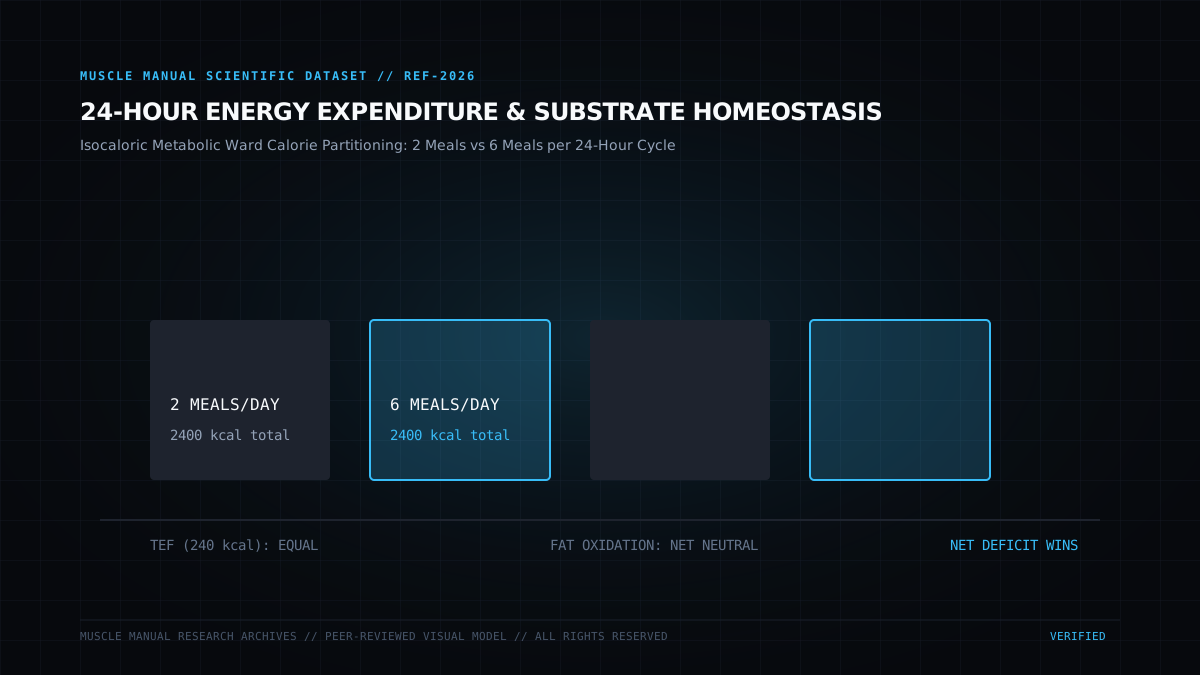
Nutrition Myths Worth Retiring
Popular fitness culture frequently clings to outdated dietary dogmas long after controlled metabolic ward trials have disproven them. Examining the evidence behind meal frequency, carbohydrate restriction, and starvation mode clarifies nutritional strategy.
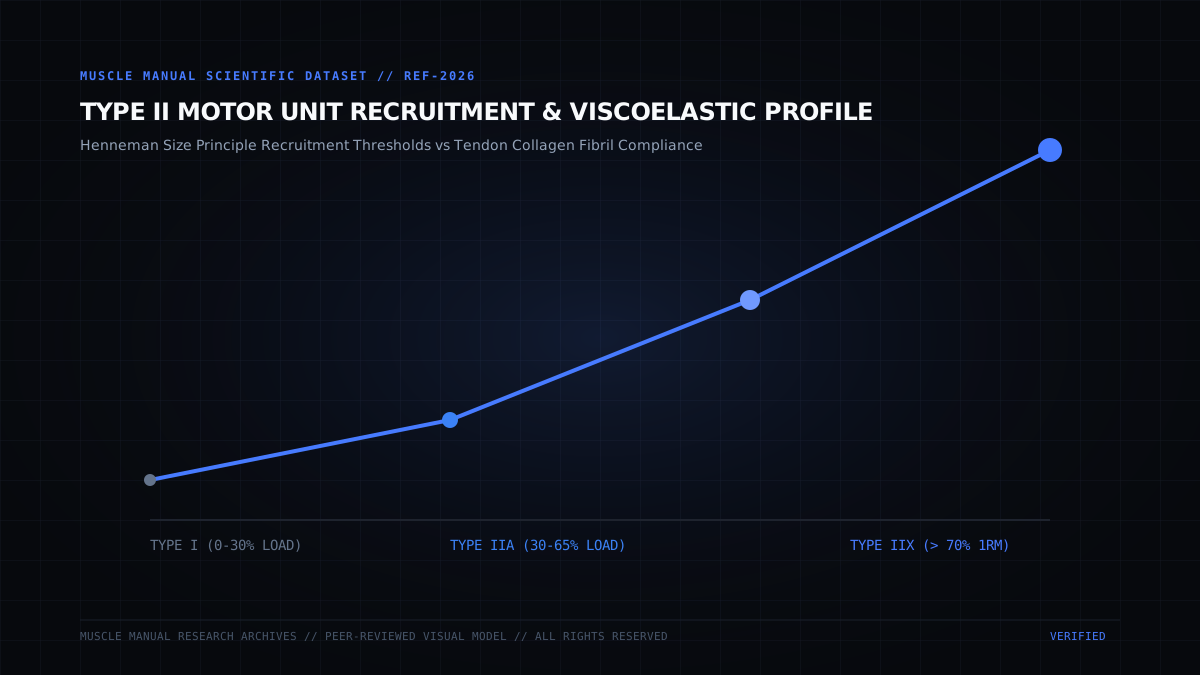
Training After 40
Lifelong strength does not require abandoning heavy compound lifts after 40. It requires understanding changes in tendon collagen cross-linking, joint lubrication, and managing intra-session volume to sustain high output for decades.
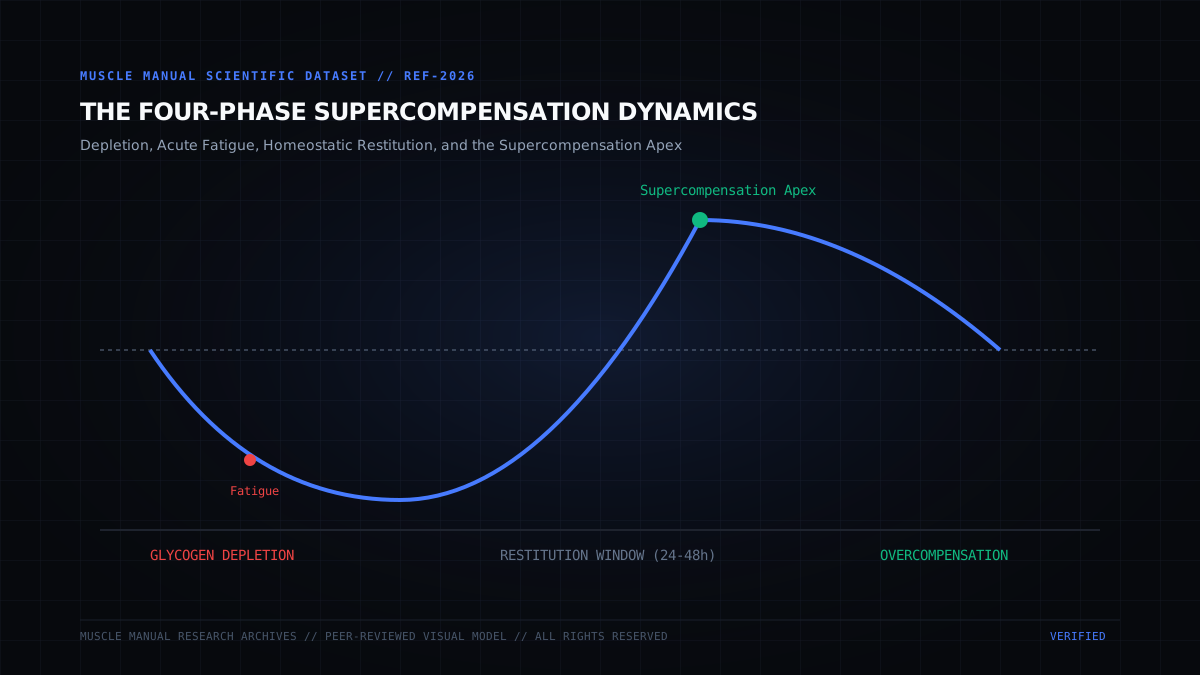
Recovery, Rest, and Adaptation
Training does not produce adaptation; recovery from training produces adaptation. Mapping the biochemical timelines of glycogen replenishment, myofibrillar repair, and central nervous system reconstitution prevents non-functional overreaching.