
The Science of Living Longer
Cardiorespiratory fitness, muscular strength, and the physiological drivers of human longevity.
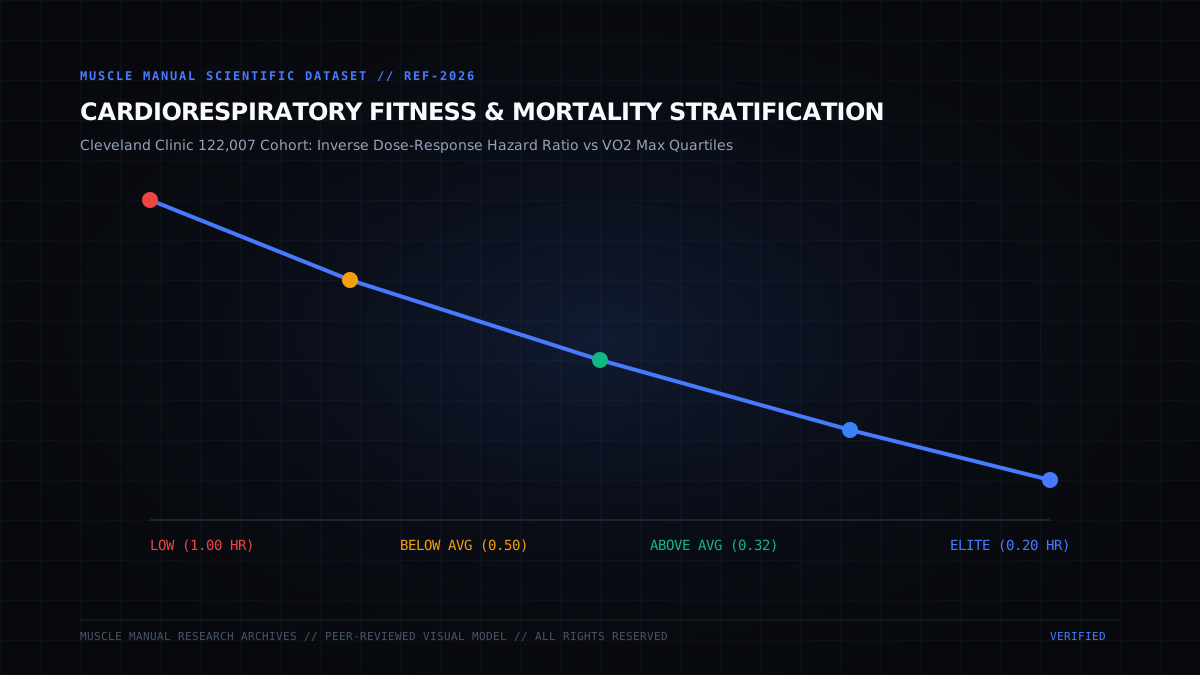
- 1Individuals in the top quartile of cardiorespiratory fitness exhibit a five-fold lower risk of all-cause mortality compared to those in the lowest quartile.
- 2Low grip strength and diminished quadriceps volume correlate more strongly with early cardiovascular and all-cause death than traditional risk markers such as hypertension.
- 3Skeletal muscle functions as an active endocrine organ, secreting protective myokines like interleukin-6 and irisin during sustained contractile work.
- 4Longevity requires simultaneous optimization of both aerobic mitochondrial efficiency and structural musculoskeletal capacity.
Cardiorespiratory Fitness as a Survival Metric
In 2018, the Cleveland Clinic published a landmark retrospective cohort study in JAMA Network Open evaluating 122,007 consecutive patients undergoing symptom-limited treadmill stress testing between 1991 and 2014. The findings overturned conventional risk stratification in preventative cardiology.
Cardiorespiratory fitness, quantified via peak oxygen uptake (VO2 max), demonstrated an inverse, dose-dependent relationship with all-cause mortality that showed no observable upper plateau. Elite performers (defined as the top 2.3 percent of the age- and sex-adjusted population) had an 80 percent lower risk of death over the follow-up period compared to the lowest performers.
To contextualize this magnitude: having low aerobic fitness carried a greater hazard ratio for premature death than coronary artery disease, smoking, or diabetes mellitus. Moving from the lowest fitness category to the below-average category conferred a 50 percent mortality reduction, emphasizing that the greatest absolute risk drop occurs when transitioning out of complete physical inactivity.
Muscle as Metabolic and Structural Armor
While aerobic capacity governs cardiovascular perfusion and mitochondrial density, skeletal muscle mass serves as a physiological sink for circulating glucose and amino acids. After a meal, skeletal muscle accounts for roughly 80 percent of post-prandial glucose disposal via insulin-dependent GLUT4 translocation.
Loss of muscle mass, clinically termed sarcopenia, accelerates peripheral insulin resistance, systemic low-grade inflammation, and bone demineralization. In the Prospective Urban Rural Epidemiology (PURE) study covering 140,000 individuals across 17 countries, grip strength was a stronger predictor of all-cause and cardiovascular mortality than systolic blood pressure.
Muscular strength acts as structural insurance against frailty. A fall in an individual over age 65 with low lean body mass frequently leads to hip fracture, subsequent hospitalization, immobilization, and rapid systemic decline. Preserving high contractile force in the knee extensors and hip abductors preserves ambulatory speed and balance reflexes.
Myokines and Systemic Endocrine Crosstalk
Skeletal muscle is not merely a lever for mechanical movement. It is the largest endocrine organ in the human body. During muscular contraction, myocytes synthesize and release specialized peptides called myokines directly into the bloodstream.
Interleukin-6 (IL-6), when released chronically from adipose tissue, acts as a pro-inflammatory cytokine. When released acutely from working muscle fibers without concurrent tumor necrosis factor-alpha elevation, IL-6 acts as an anti-inflammatory hormone, stimulating lipolysis, enhancing hepatic insulin sensitivity, and inducing interleukin-10 production.
Other myokines, including irisin, brain-derived neurotrophic factor (BDNF), and decorin, facilitate cross-talk between skeletal muscle, brain, liver, and adipose tissue. Irisin drives the browning of white adipose tissue, improving basal metabolic rate and glucose clearance.
The Dual-Track Longevity Protocol
Translating this evidence into a practical program requires balancing both energy systems. Relying solely on endurance training neglects structural strength and bone mineral density. Focusing solely on heavy resistance lifting neglects cardiovascular stroke volume and microvascular capillary density.
An optimal program combines three to four weekly sessions of low-intensity aerobic conditioning (Zone 2 work at 60 to 70 percent of maximum heart rate) to expand mitochondrial volume, one weekly high-intensity interval session (Zone 5 work) to challenge peak stroke volume, and two to three full-body progressive resistance sessions emphasizing multi-joint compound patterns.
Primary Research & Citations
3 Peer-Reviewed SourcesThis investigation was produced without commercial interference or brand sponsorship. Report factual corrections to [email protected].
Editorial charterRelated Investigations
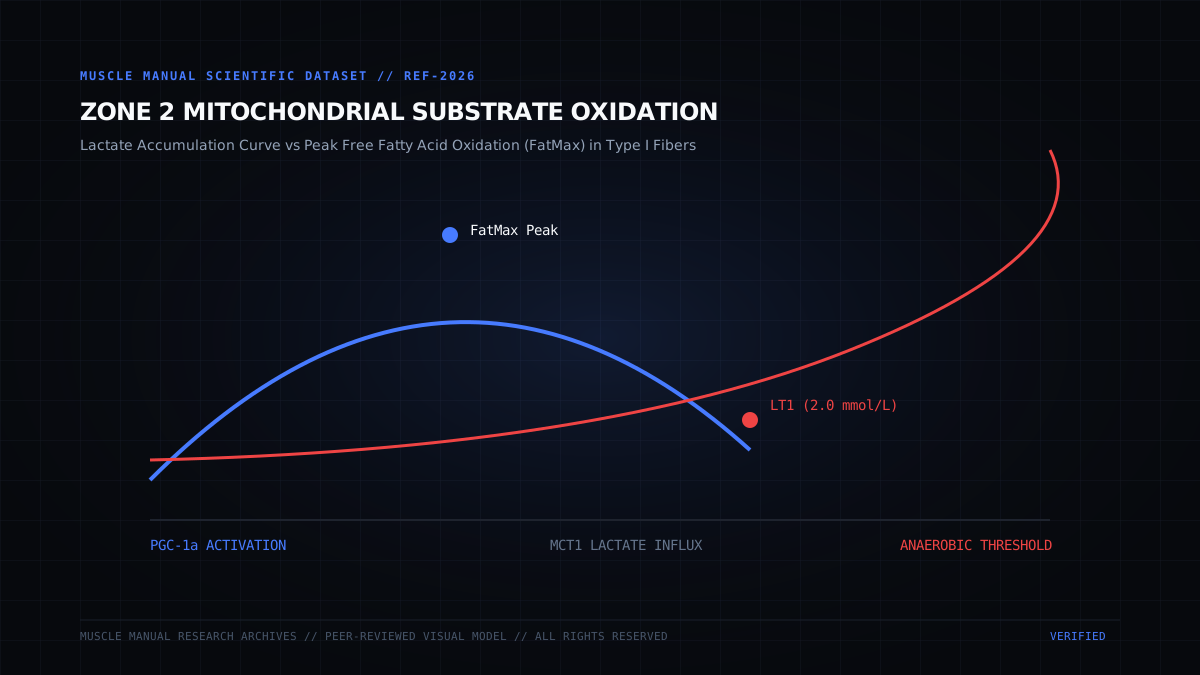
The Real Return on Cardio
Low-intensity aerobic work does not destroy muscle tissue or blunt hypertrophy. When applied correctly, it expands left ventricular stroke volume, multiplies capillary networks, and accelerates recovery between resistance training sets.
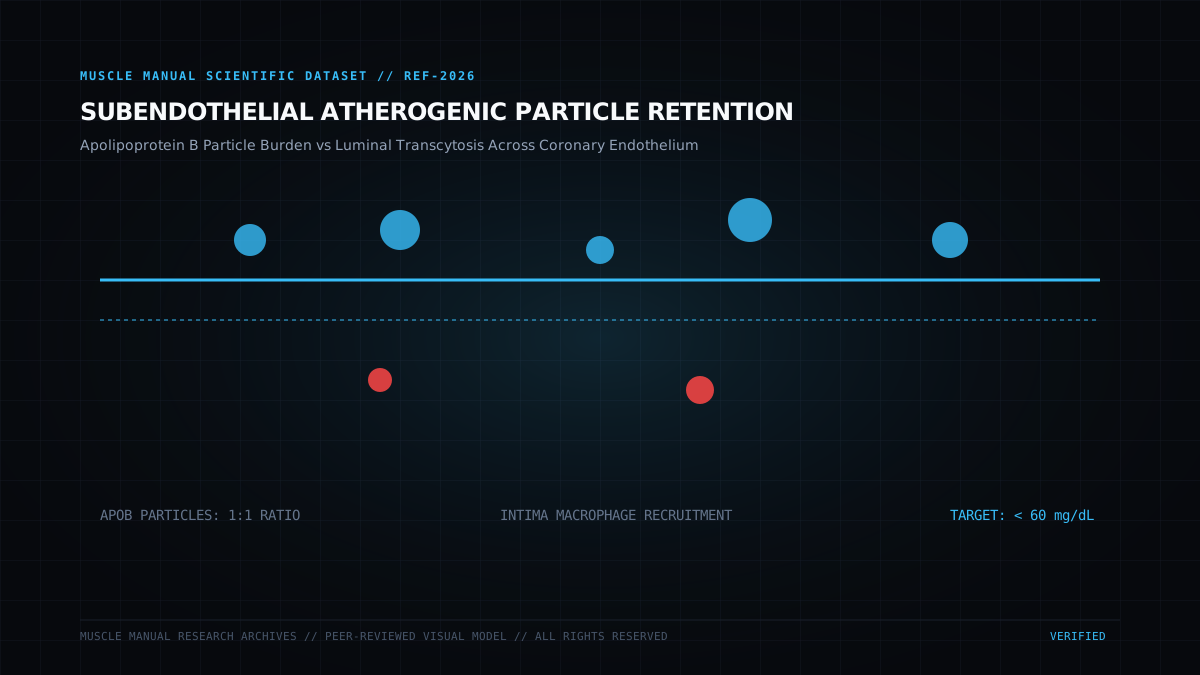
What Your Bloodwork Really Tells You
Standard laboratory reference ranges are designed to detect acute disease states, not to establish optimal physiological performance. Looking closer at particle count, insulin kinetics, and vascular inflammation reveals early warning signs years in advance.
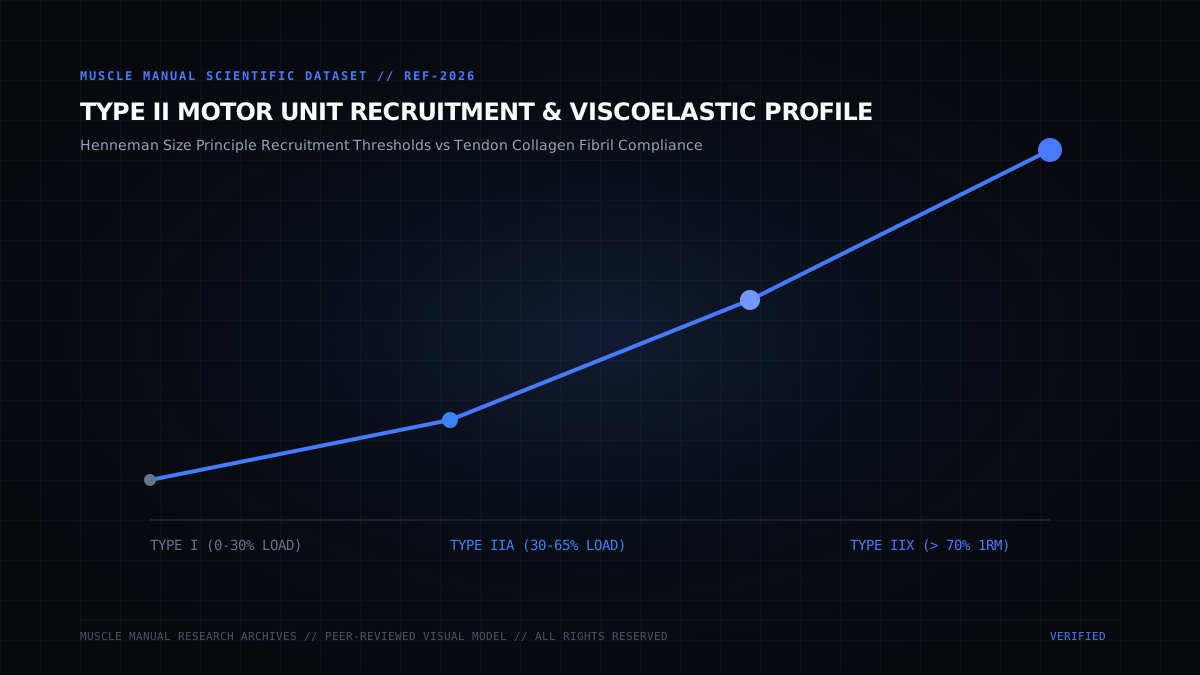
Training After 40
Lifelong strength does not require abandoning heavy compound lifts after 40. It requires understanding changes in tendon collagen cross-linking, joint lubrication, and managing intra-session volume to sustain high output for decades.