
The Science of Stress Recovery
Autonomic nervous system balance, heart rate variability, and managing allostatic load.
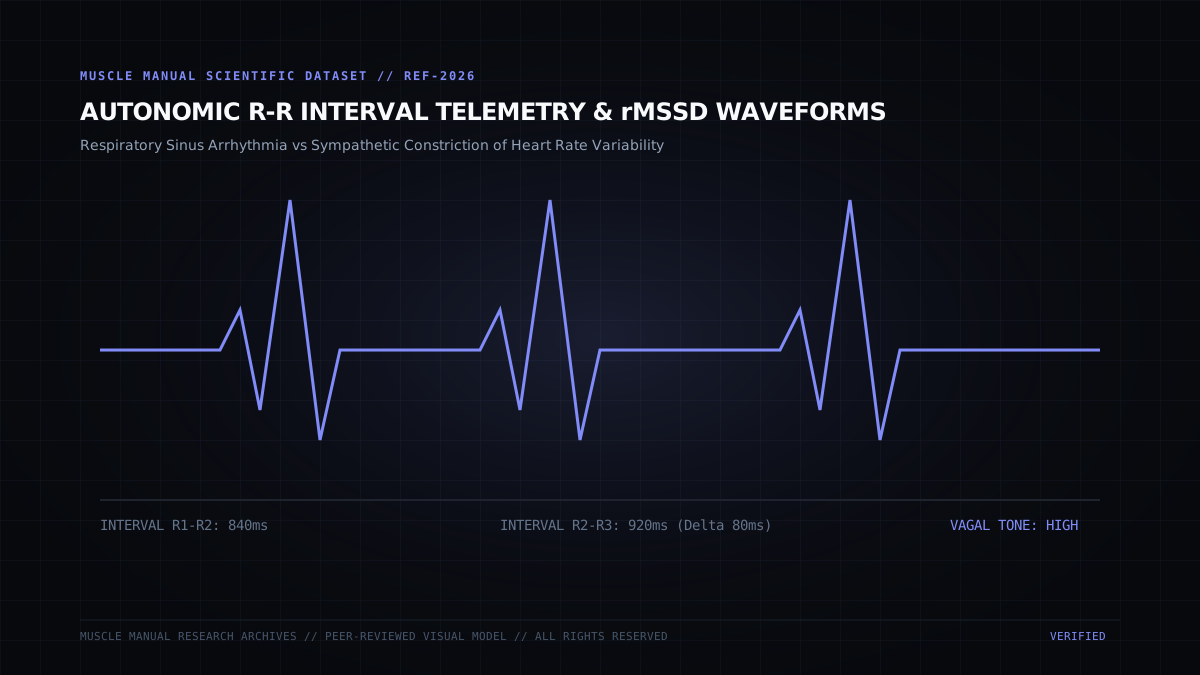
- 1The central nervous system cannot differentiate between the metabolic stress of a heavy squat session, acute psychological deadlines, or chronic sleep deprivation.
- 2Heart rate variability (HRV), specifically the root mean square of successive differences (rMSSD), quantifies parasympathetic recovery capacity.
- 3Allostatic load represents the cumulative physiological wear and tear resulting from sustained adaptation to chronic stressors.
- 4Deliberate parasympathetic down-regulation techniques, such as physiological sighing and thermal contrast, accelerate autonomic recovery post-workout.
The Allostatic Load Framework
In 1993, neuroendocrinologist Bruce McEwen introduced the concept of allostasis: the process through which the body maintains physiological stability through change. Unlike homeostasis, which holds variables like core temperature at a fixed set point, allostasis adjusts active parameters (including heart rate, cortisol, and vascular tone) to meet external environmental demands.
The cumulative biological cost of this sustained adaptation is allostatic load. When stressors are acute and followed by adequate recovery, the organism adapts and expands capacity. When stressors are compounded without restitution, allostatic load turns into allostatic overload.
An individual experiencing high marital or career stress has a diminished capacity to absorb training volume. Imposing a grueling 20-set resistance workout on an already overloaded autonomic system leads to neuroendocrine suppression, elevated resting heart rate, and blunted protein synthesis rather than supercompensation.
Decoding Heart Rate Variability
Heart rate variability does not measure how fast the heart beats. It measures the subtle fluctuations in time intervals between consecutive heartbeats (R-R intervals). A healthy heart does not tick like a metronome; it displays continuous millisecond variations driven by the opposing inputs of the sympathetic and parasympathetic nervous systems.
Sympathetic stimulation increases heart rate and decreases variability, creating rigid pacing. Parasympathetic vagal tone slows heart rate and introduces natural breathing-synchronized variability, termed respiratory sinus arrhythmia.
The most clinically validated metric for longitudinal monitoring is the root mean square of successive differences (rMSSD). A persistent suppression in rMSSD below an individual’s rolling 30-day baseline indicates incomplete autonomic restitution, alerting the trainee to dial back training intensity before overtraining syndrome takes hold.
Active Parasympathetic Modulation
Relying solely on passive rest often leaves individuals trapped in prolonged sympathetic dominance. Athletes can actively engage the parasympathetic brake through targeted respiration patterns.
Research led by Huberman and colleagues in 2023 at Stanford University demonstrated that cyclic sighing (two deep inhalations through the nose followed by a slow, passive exhalation through the mouth) rapidly reduces autonomic arousal and lowers heart rate. Performing five minutes of deliberate cyclic sighing immediately following a strenuous training session accelerates the transition from sympathetic catabolism to parasympathetic anabolism.
Primary Research & Citations
3 Peer-Reviewed SourcesThis investigation was produced without commercial interference or brand sponsorship. Report factual corrections to [email protected].
Editorial charterRelated Investigations
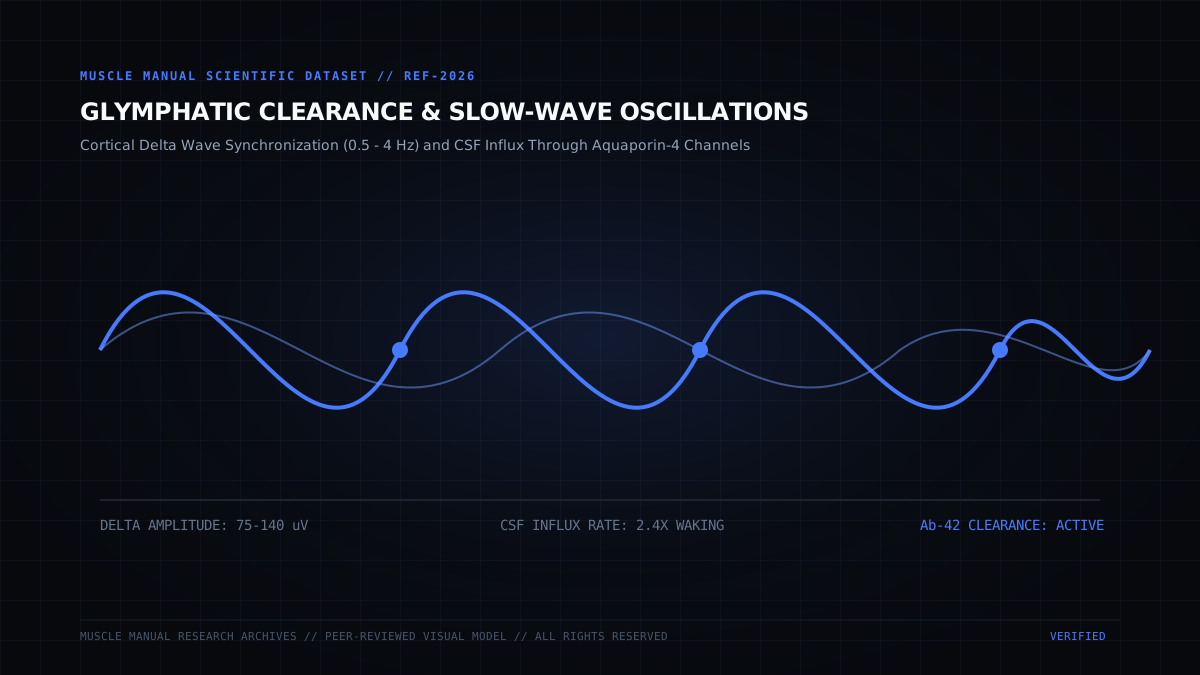
Your Brain on Better Sleep
Deep non-REM sleep is not passive downtime. It is an active metabolic cleansing cycle driven by cerebrospinal fluid filtration that flushes neurotoxic proteins and stabilizes synaptic plasticity.
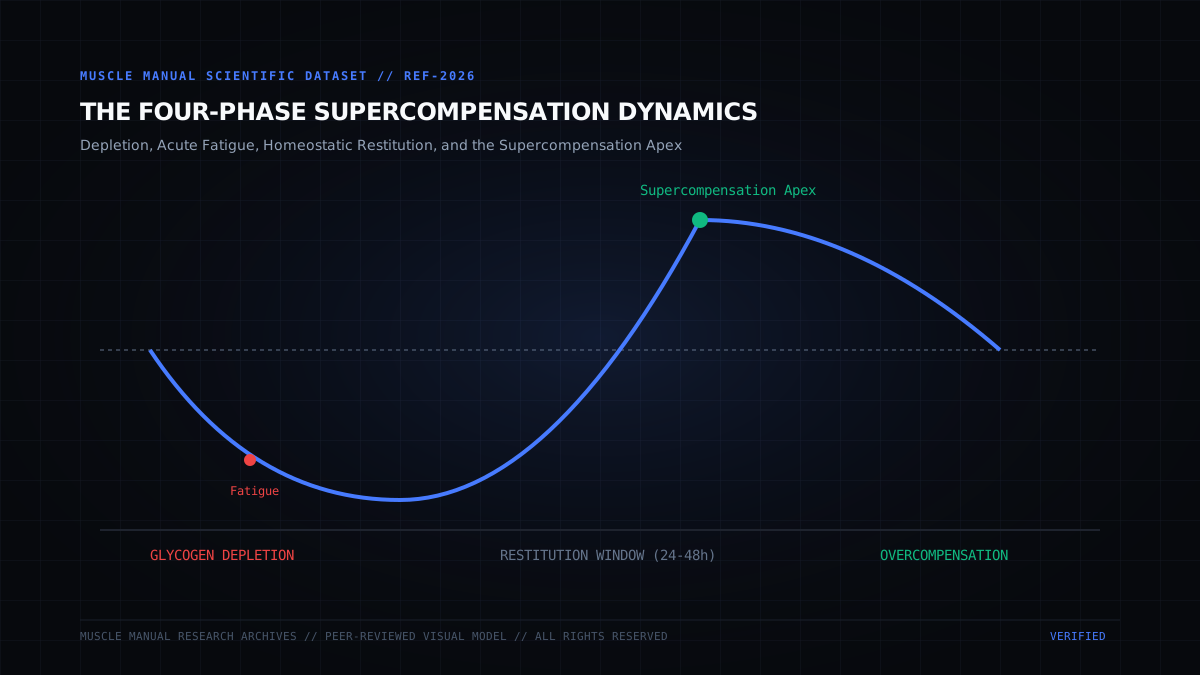
Recovery, Rest, and Adaptation
Training does not produce adaptation; recovery from training produces adaptation. Mapping the biochemical timelines of glycogen replenishment, myofibrillar repair, and central nervous system reconstitution prevents non-functional overreaching.
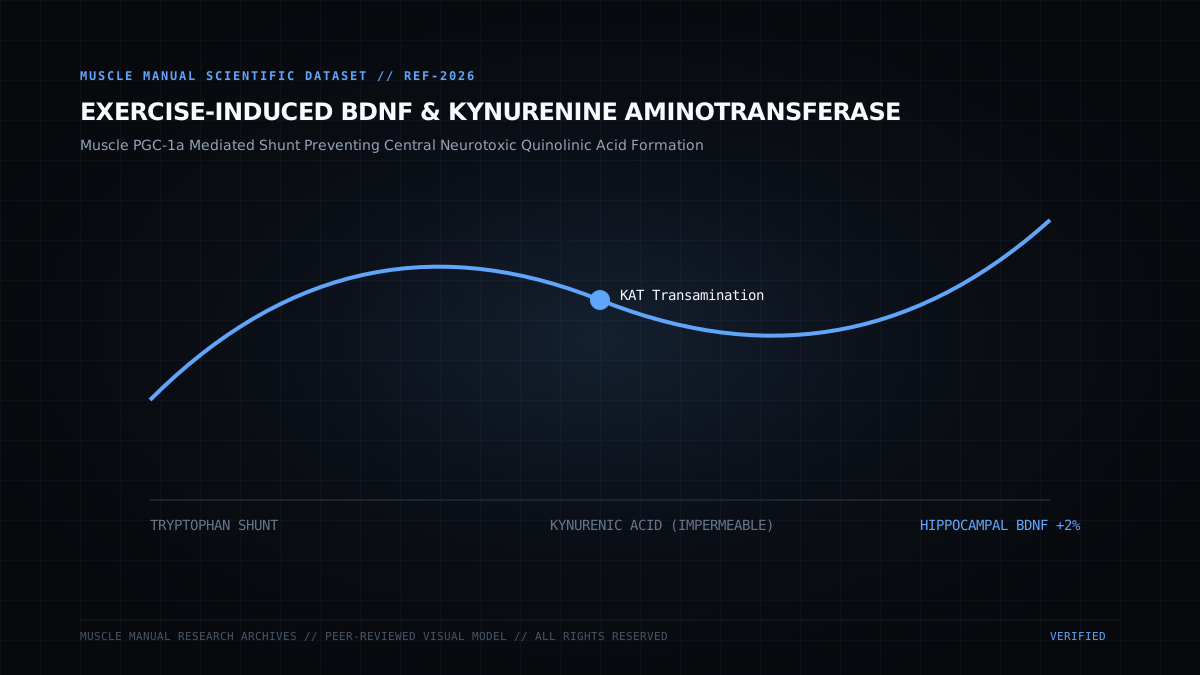
Exercise and Mental Health
Exercise is frequently treated as an optional lifestyle suggestion in mental healthcare. Clinical data reveals it acts as a potent biological intervention that directly stimulates hippocampal neurogenesis and reduces systemic neuroinflammation.